Psychology: Learning, Memory & Development
Free MCAT study guide — Psychological, Social, and Biological Foundations of Behavior
Learning
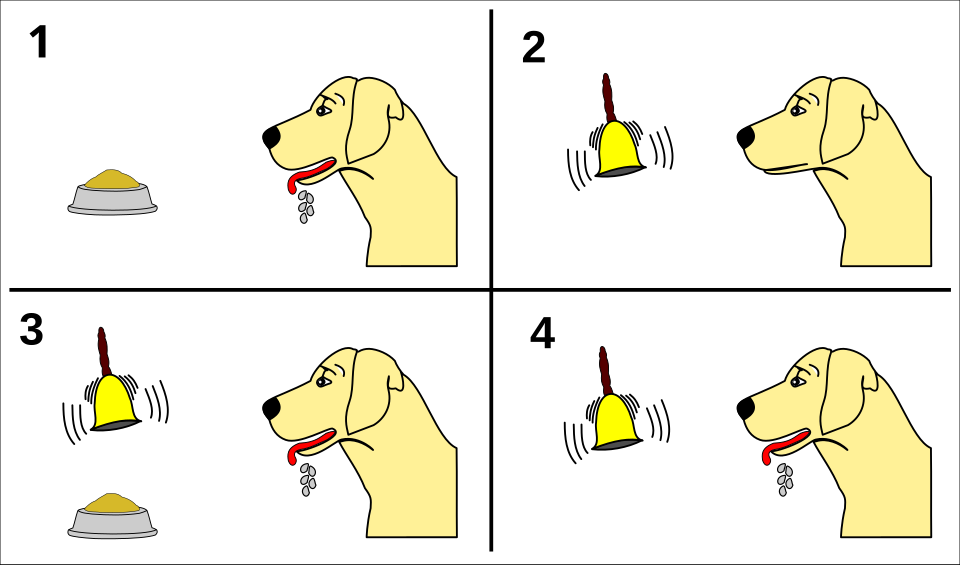
Key Point: Classical: UCS→UCR, then CS+UCS→UCR, finally CS→CR. Key: acquisition, extinction, spontaneous recovery, generalization, discrimination.
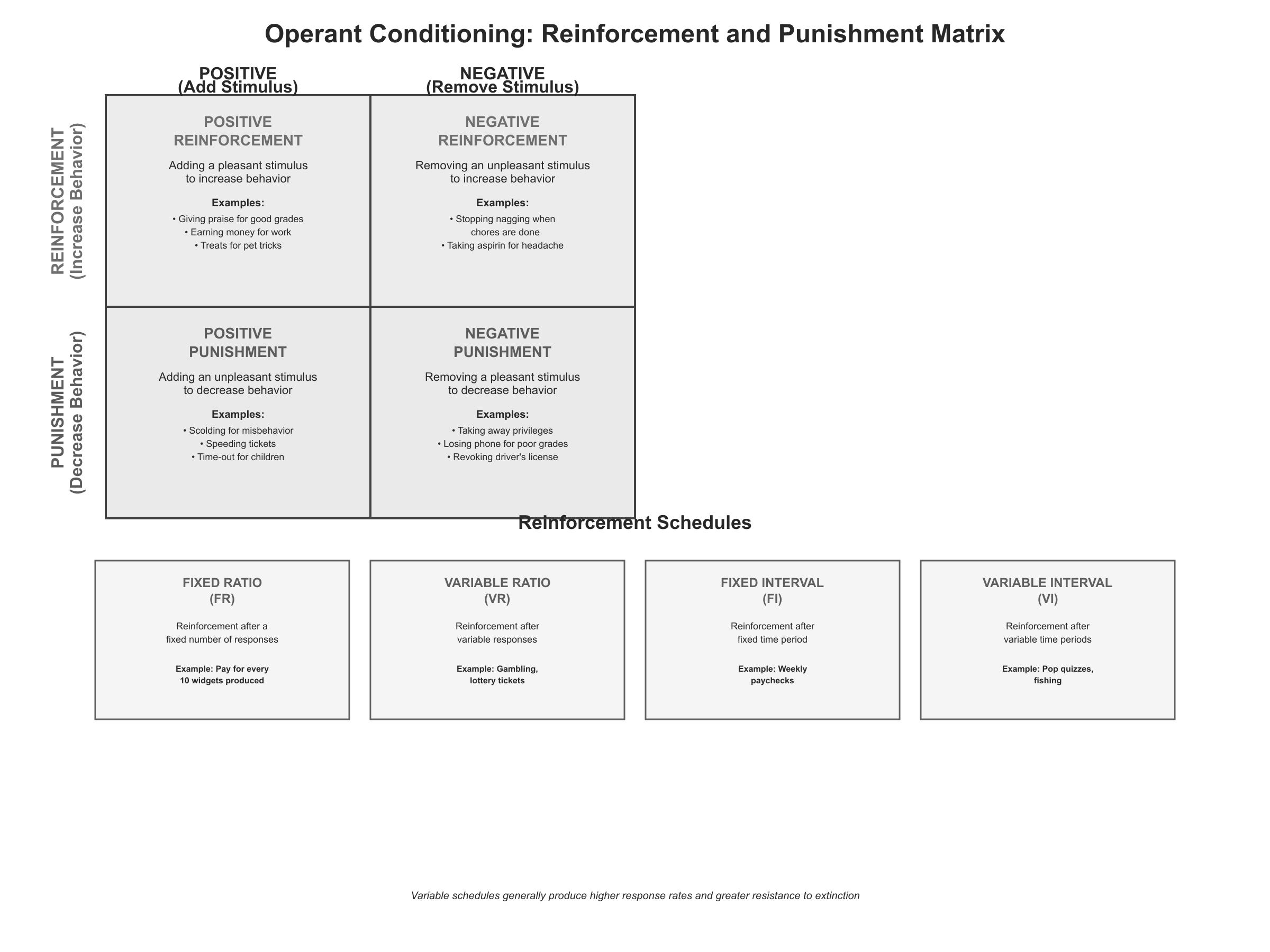
| Add (+) | Remove (−) | |
|---|---|---|
| ↑ Behavior (Reinforcement) | Positive reinforcement | Negative reinforcement |
| ↓ Behavior (Punishment) | Positive punishment | Negative punishment |
Memory
Atkinson-Shiffrin Model: Sensory memory → Short-term/Working memory (7±2 items, ~30s) → Long-term memory
| LTM Type | Subtype | Example |
|---|---|---|
| Explicit (declarative) | Episodic | Your 18th birthday party |
| Explicit (declarative) | Semantic | The capital of France |
| Implicit (non-declarative) | Procedural | Riding a bicycle |
| Implicit (non-declarative) | Priming | Completing 'doc___' as 'doctor' after medical context |
Key Point: Hippocampus: encoding new explicit memories. Amygdala: emotional memories. Cerebellum: procedural memories.
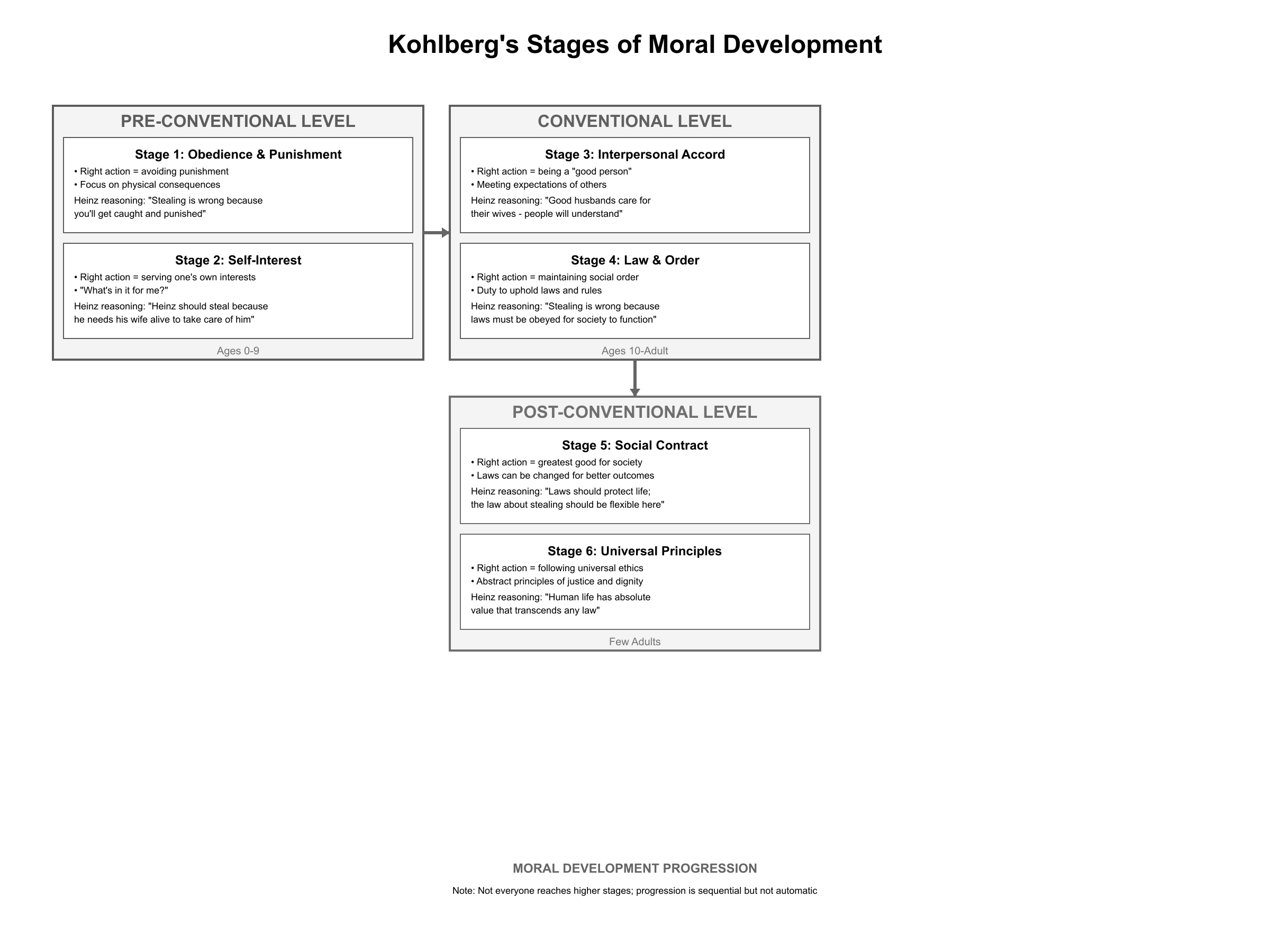
Development
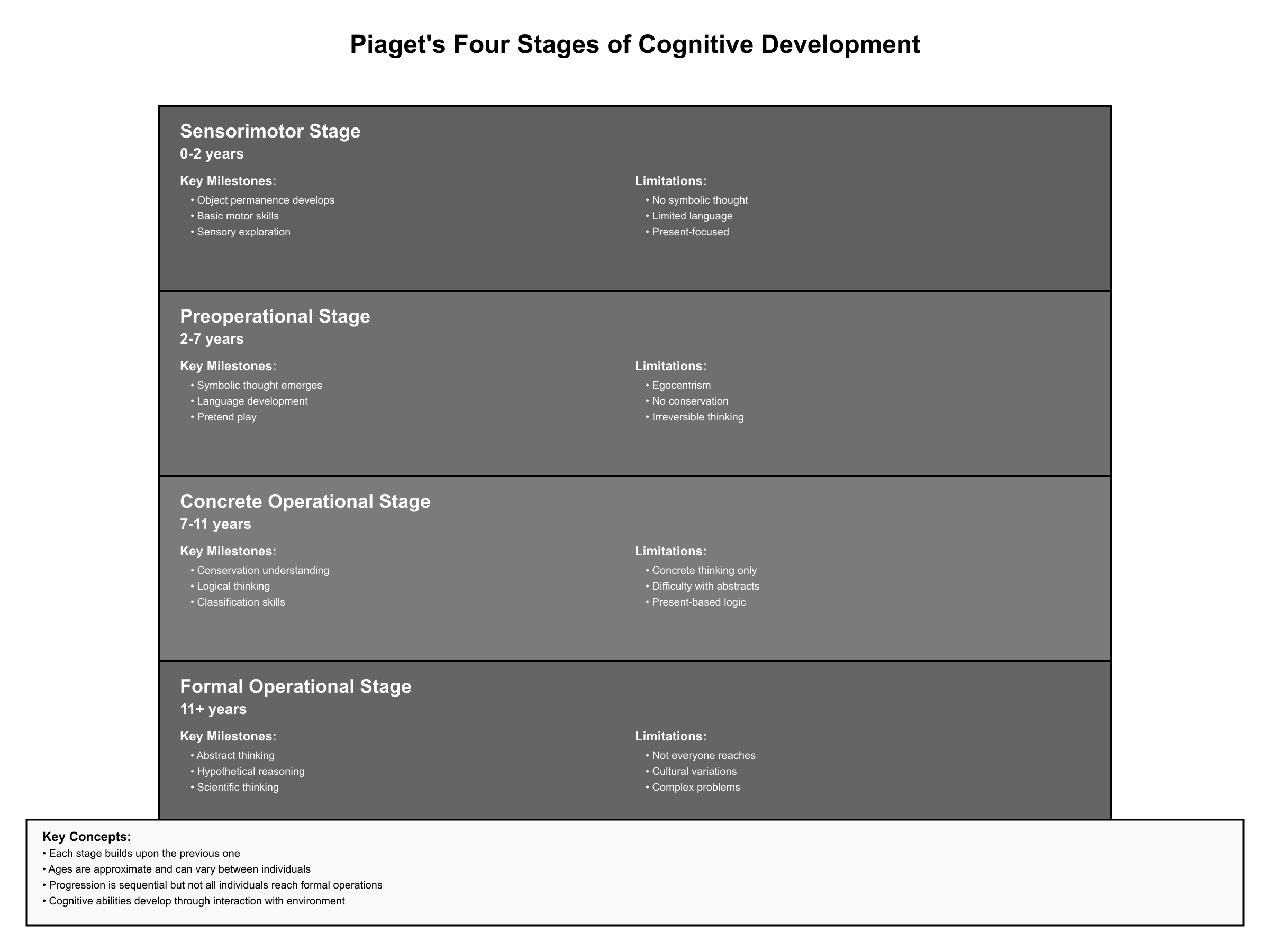
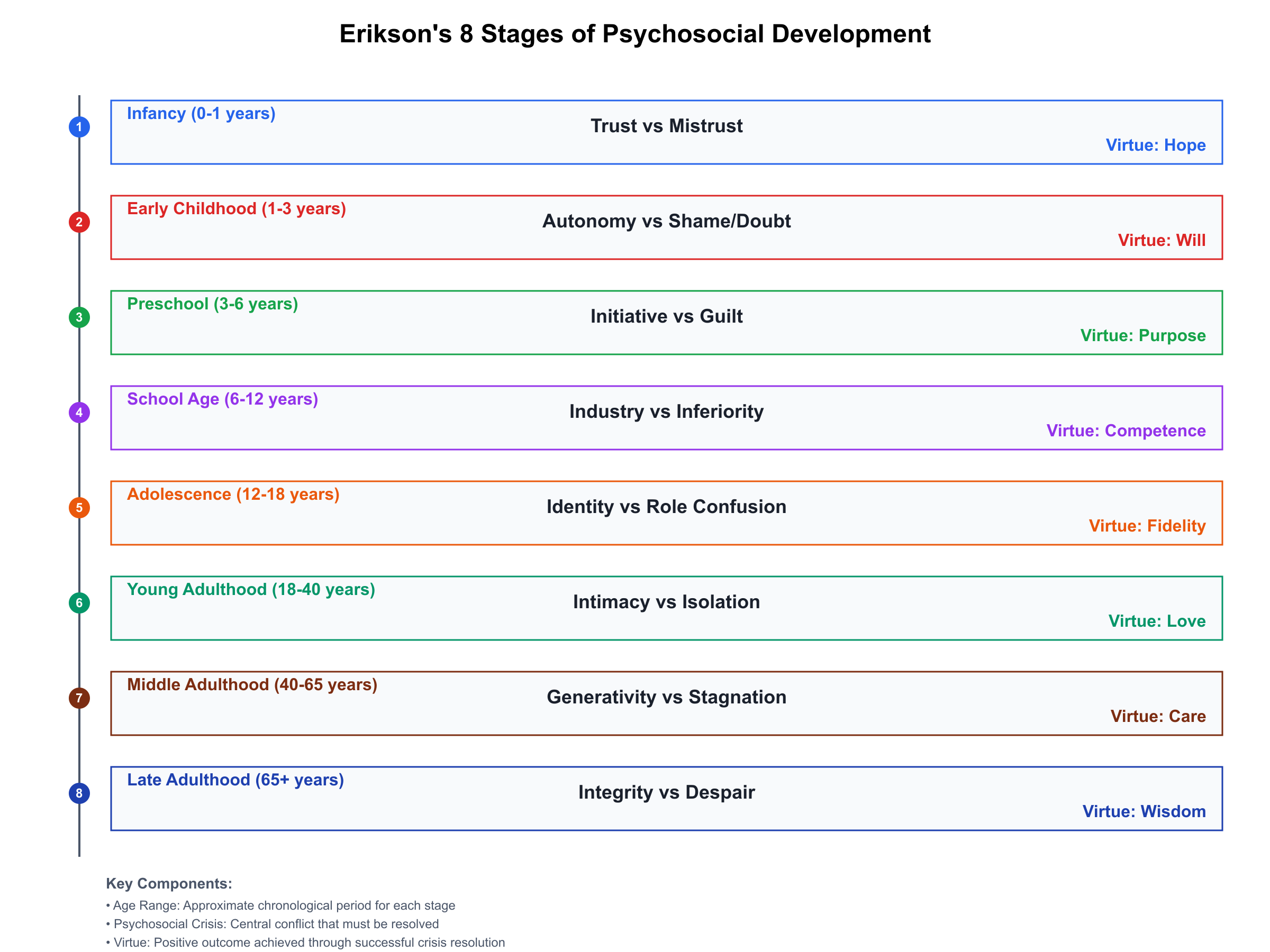
Related Psychological, Social, and Biological Foundations of Behavior Study Guides
Biological Basis of Behavior: Brain Structure and NeurotransmittersHealth Disparities and Social Determinants of HealthLearning and MemoryPsychology: Neuroscience & SensationSensation, Perception, and ConsciousnessSocial Psychology: Groups and Influence
Browse all free MCAT study guides or read MCAT strategy on the DoctorMCAT blog.
Practice What You've Learned
Test your understanding with our question bank and practice tests.
Start Practicing Free